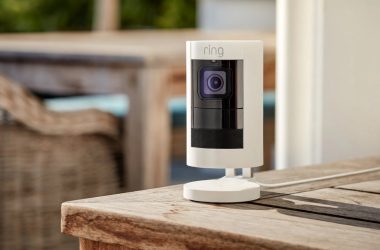
Key Takeaways
- Ring doesn’t have a special wildlife camera, but Ring Cameras work fine for wildlife-watching.
- Ring Cameras have HD video, motion detection, and night vision, perfect for casual wildlife viewing.
- To set up your Ring Wildlife Camera:
- Choose a spot where wildlife is often seen.
- Mount 2-4 feet high near wildlife spots.
- Adjust Motion Sensitivity and Motion Zones.
- Optimize for night viewing.
- Establish a strong Wi-Fi connection and consistent power.
Curious about backyard wildlife? Turn your Ring Camera into a wildlife discovery tool with this guide, showing you how to set up your Ring wildlife camera to capture the animals right outside your door.
Can I Use Ring Camera For Wildlife-Watching?
Yes, you can use a Ring Camera for wildlife-watching. Ring Cameras offer features like high-definition video, motion detection, night vision, and weather resistance, making them suitable for capturing wildlife activity in your yard.

While not specifically designed for wildlife, Ring Cameras provide a convenient and accessible way to observe and record animals in real-time, day or night. However, keep in mind that Ring Cameras rely on Wi-Fi and cloud storage, unlike dedicated wildlife cameras.
What Makes Ring Cameras Suitable for Wildlife?
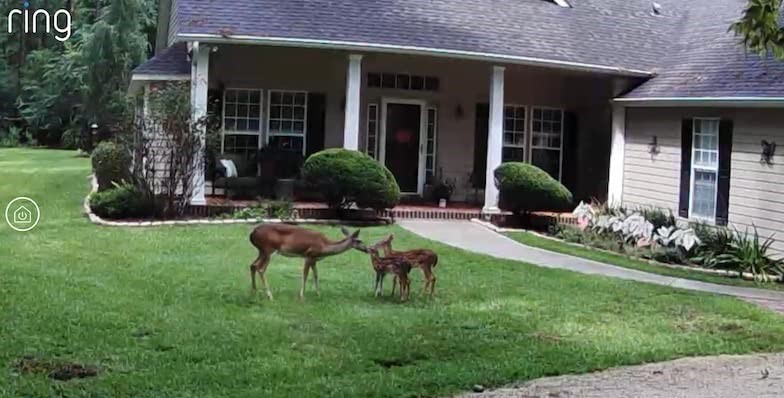
Here are some features that make Ring Cameras suitable for wildlife:
- 📹 High-Definition Video Quality: Captures clear footage, making it easier to identify animals, even from a distance.
- 🚶♂️ Motion Detection: Alerts you to movement, so you don’t miss any wildlife activity, day or night.
- 🌙 Night Vision: Infrared capabilities let you record nocturnal animals without disturbing them with visible light.
- 🎙️ Two-Way Audio: Useful for deterring unwanted animals or observing animal behavior in response to sound.
- ☔ Weather Resistance: Ring Cameras can withstand various weather conditions, making them reliable for outdoor wildlife monitoring.
- 📲 Live View Access: Allows you to watch wildlife in real-time from your smartphone, providing instant access to outside activities.
- 🔧 Easy Installation and Placement: Flexible mounting options let you place the camera in optimal positions for capturing wildlife.
- ☁️ Cloud Storage Options: Securely stores footage, allowing you to review and save interesting wildlife interactions.
How to Set Up Your Ring Camera for Wildlife Observation
Setting up your Ring Camera for wildlife observation is a simple way to discover the animals that visit your yard.
Here are steps for setting up your Ring Camera for wildlife observation:
- 📍 Choose the Right Location: Place the Ring Camera near areas where wildlife is likely to appear, like feeders, water sources, or trails.
- 📏 Mount at the Right Height: Position the camera 2-4 feet off the ground, ideal for capturing small to medium-sized wildlife at eye level.
- 🎯 Adjust Motion Sensitivity: Increase the motion sensitivity in your Ring app to catch all sizes of animals, from tiny birds to larger deer.
- 🐦 Set Up Motion Zones: Set up motion zones to focus on specific areas where wildlife is most active. This way, you only get necessary alerts.

- 🌙 Enable Night Vision: Ensure night vision is on to capture nocturnal wildlife without disturbing them.

- 📶 Have a Stable Wi-Fi Signal: Ensure a strong Wi-Fi connection for consistent video streaming and recording.
- 🔔 Set Up Alerts: Customize alerts for specific times when wildlife is most active, like dawn or dusk.
- ⚡ Keep Power Sources Ready: Use a wired setup or keep extra batteries charged to avoid interruptions.
- 🧼 Clean the Lens Regularly: Ensure a clear view by cleaning the camera lens frequently, especially in outdoor conditions.
- 📁 Review and Save Footage: Regularly check footage and save interesting clips for future observation or sharing.
Limitations of Using Ring Cameras for Wildlife Monitoring
Here are some limitations of using Ring Cameras for wildlife monitoring:
- 📶 Wi-Fi Dependency: Requires a stable internet connection, which can be unreliable in remote or wooded areas.
- 💲 Cloud Storage Fees: To access recorded footage, a subscription is needed, adding ongoing costs.
- 🔋 Limited Battery Life: Frequent recharging disrupts continuous monitoring of battery-powered models.
- 📏 Narrow Field of View: Ring Cameras have a limited angle, which might miss some wildlife activity.
- 🐾 Sensitivity to Small Movements: Motion detection might struggle with small or fast-moving animals.
- ⏱️ Potential Lag in Notifications: Notifications may be delayed, causing you to miss real-time action.
- 🎧 Limited Audio Quality: The audio may not capture wildlife sounds clearly, reducing the overall monitoring experience.
These factors make Ring Cameras less ideal than dedicated wildlife cameras but still useful for casual observation.
Tips to Improve Your Wildlife Watching Experience With Ring Cameras
Here are some tips to enhance your wildlife-watching experience with Ring cameras:
- 💡 Use Additional Lighting: Add soft outdoor lights to improve nighttime visibility without startling animals.
- 🚫 Reduce False Alerts: Fine-tune motion zones and sensitivity to avoid alerts triggered by wind or foliage.
- 🛠️ Keep the Camera Steady: Use sturdy mounts to minimize shaking from wind or animal contact.
- 🐦 Create a Wildlife-Friendly Zone: Set up feeders, water sources, or natural shelters to attract more wildlife.
- 🌳 Blend the Camera with the Environment: Camouflage the camera with natural surroundings to avoid scaring animals.
- ⏰ Schedule Recording Times: Focus on peak activity times like early morning and late evening to catch more wildlife action.
- 📸 Use Multiple Cameras: Place cameras at different angles and locations to cover more ground.
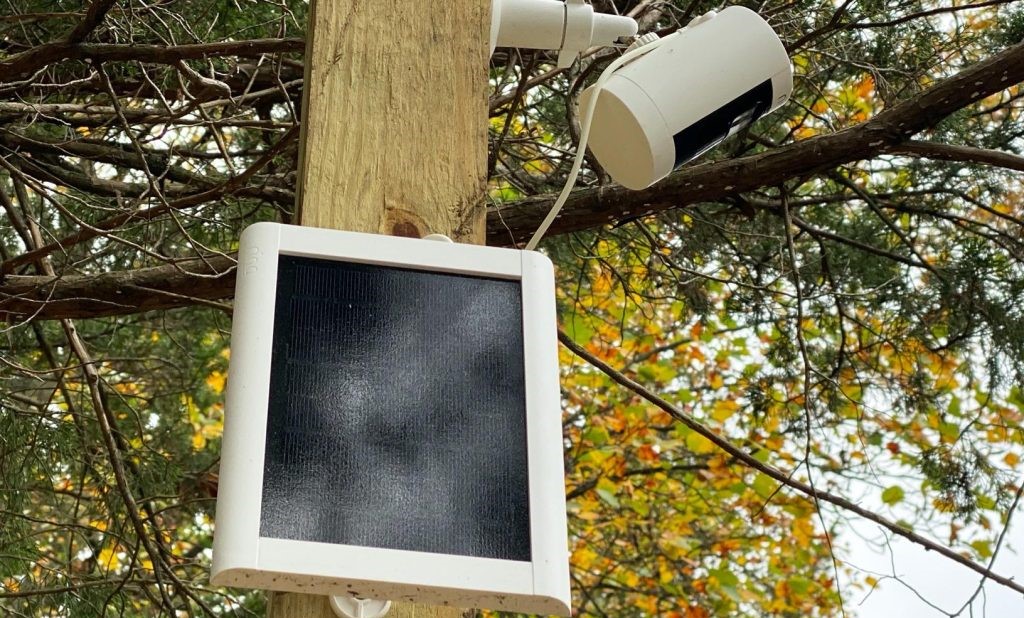
- ☀️ Use Solar Chargers: Equip your Ring camera with solar chargers to keep it powered continuously, reducing the need for battery changes.
Ring Wildlife Camera: A Good Option or Not?
Ring Cameras are ideal for backyard wildlife watching, providing clear views day and night. Optimize motion detection, and use solar chargers and lights for continuous power and clearer night footage.
Here are more Ring Camera guides you may find helpful:
- Ring Camera animal detection works better when you disable the People-Only Mode.
- Ring Cameras can typically see up to 30 feet but you should know how far a Ring Camera can see for your particular model.
- If you can’t capture wildlife footage at night, your Ring Camera night vision may not be working properly.
Frequently Asked Questions
What are the best locations to install a Ring Camera for bird watching to maximize visibility and detail?
Are there specific models of Ring Cameras that are better suited for outdoor wildlife observation?
Can a Ring Trail Camera be used for monitoring wildlife in remote areas?
How effective is a Ring Camera for Bird Watching in residential areas?
What are the best practices for setting up a Ring Camera Bird Feeder for close-up wildlife observation?


Hashir
Hi, I’m Hashir, a tech enthusiast with a deep love for smart home innovations. My interest in technology has always been driven by the idea of making everyday life more streamlined and efficient. After years of experimenting with smart devices in my own home, I’ve made it my mission to share what I’ve learned with others. I focus on practical, easy-to-understand solutions that anyone can implement to enhance their home. Writing for JustSmarter allows me to connect with fellow tech lovers and help them take their first steps—or next steps—into the exciting world of smart homes.