

Key Takeaways
- Ring can count as a security system for insurance, but it depends on your provider’s rules.
- Ring Doorbells and Cameras may qualify, but Ring Alarm with monitoring is more likely accepted.
- Discounts vary—some insurers accept DIY setups, others require professional monitoring.
- To qualify, contact your insurer, provide proof of installation, and request written confirmation.
- Double-check eligibility each year, as insurance policies and requirements can change.
Many homeowners wonder, does Ring count as a security system for insurance purposes, potentially qualifying them for discounts? Ring devices may lower your insurance, but it depends on your provider and their policies. In this post, I’ll show you how you can increase your chances of getting an insurance discount with your Ring device.
Does Ring Count as a Security System for Insurance?
Yes, Ring can count as a security system for insurance, potentially qualifying you for discounts. However, it depends on your insurance provider and their specific requirements.
Many insurers recognize Ring devices as part of a home security system. Some insurers offer discounts for a single Ring device, believing it deters burglars. Others require a full security system that detects threats and alerts authorities for added protection.
By having Ring count as a security system for insurance, you may be able to lower your annual premium while boosting home protection. So, it’s essential to check with your provider to confirm eligibility for any available discounts or premium reductions.
Does Ring Doorbell Count as Security System for Insurance?
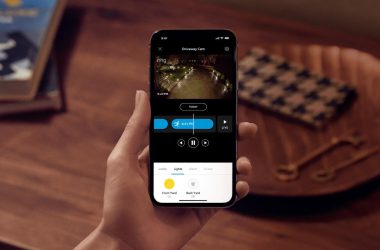
Yes, a Ring Doorbell can count as part of a security system for insurance, but it depends on your provider. Some insurers may offer discounts if you have security devices like Ring, while others may require a more comprehensive system.

Some insurers may offer discounts for a Ring Doorbell. But it’s best to check with your insurance company to confirm if your Ring Doorbell qualifies for a discount or meets their requirements.
Does Ring Camera Count as Security System for Insurance?
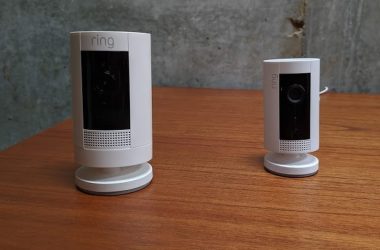
A Ring Camera alone may not count as a full security system for insurance discounts, as many providers require comprehensive systems with alarms and monitoring.
However, some insurers may offer discounts for having a Ring Camera as part of your home’s security. It’s best to check with your insurance provider for specific eligibility requirements and discount options.
Which Ring Devices Count as a Security System for Insurance?
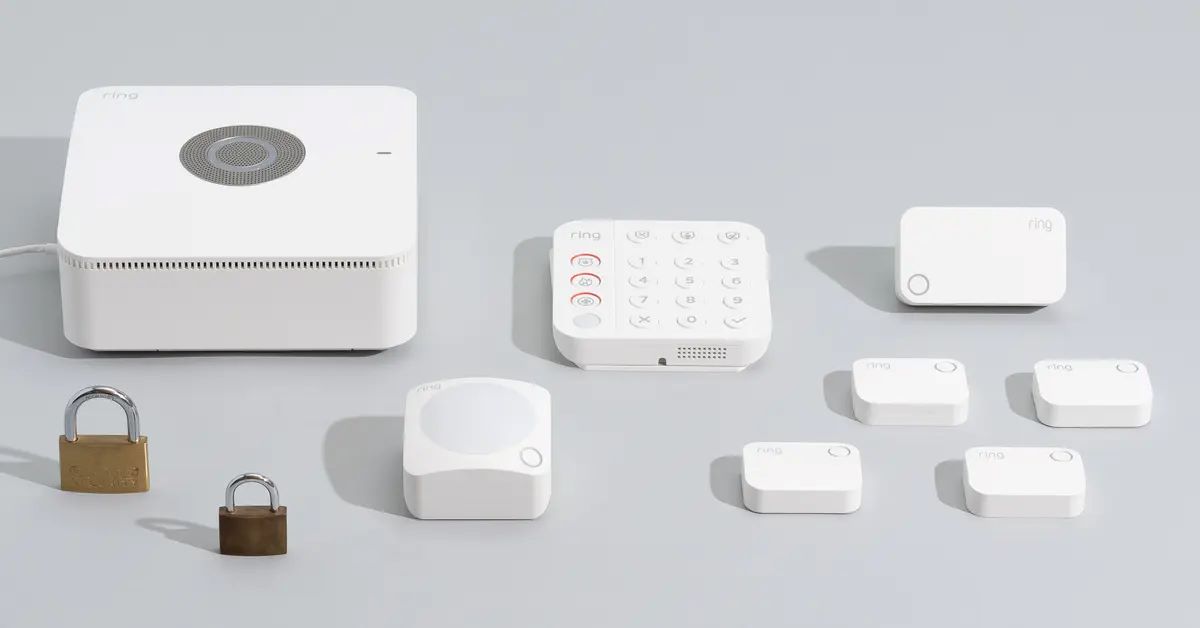
Ring devices like the Ring Alarm system, which includes sensors and professional monitoring, typically qualify as a security system for insurance discounts. Standalone devices like the Ring Video Doorbell or Ring Cameras may not meet some insurers’ requirements for a full security system.
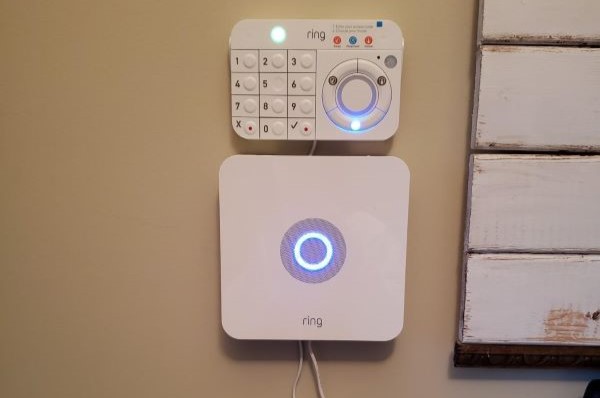
The Ring Alarm system is widely recognized by insurance companies as a comprehensive security solution. Here’s why:
- 🛡️ Full Coverage: It offers door sensors, motion detectors, and a central alarm system.
- 🔒 Enhanced Security: Actively monitors and alerts homeowners to threats.
- 💰 Insurance Discounts: Its robust features can qualify you for premium discounts.
However, it still may not be recognized by every single insurance provider, so it’s best to check with your provider.
Is Ring Alarm NSI or SSAIB Approved?
Ring Alarm is not currently approved by NSI (National Security Inspectorate) or SSAIB (Security Systems and Alarms Inspection Board). These UK-based certification bodies ensure that security systems meet rigorous industry standards for installation and maintenance.
Ring Alarm is a DIY home security system designed for easy self-installation. Although it offers professional monitoring with Ring Protect Plus, it doesn’t meet the stricter NSI or SSAIB standards for professionally installed and maintained systems.
UK customers seeking insurance discounts may need a system certified by NSI or SSAIB. Check with your insurer to confirm if certification is required.
Is Ring Alarm NACOSS Approved?
Ring Alarm is not NACOSS (National Approvals Council for Security Systems) approved. NACOSS approval, under the National Security Inspectorate (NSI), applies to professional security systems meeting strict standards for design, installation, and monitoring, often required by insurers for high-end or commercial systems.
Ring Alarm, as a DIY system, doesn’t meet NACOSS approval, which is reserved for professionally installed systems. For a NACOSS-approved system required by insurance, choose a professional security provider that meets these standards.
How to Verify if Your Insurance Provider Accepts Ring
To qualify for an insurance discount with a Ring system, confirm with your provider that they accept it. Here’s how to check:
1. Review Your Insurance Policy
Begin by checking your insurance policy or any documents from your insurer. Look for sections on home security systems, discounts, and eligibility rules.
Some insurers may list the types of security systems they accept, including if they require professional installation, specific certifications, or continuous monitoring.
2. Contact Your Insurance Provider
The easiest way to find out if your insurance accepts Ring is to contact them directly. Call your insurance agent or customer service and ask these questions:
- Does my policy offer discounts for home security systems?
- Is Ring recognized as an eligible security system for these discounts?
- Are there specific requirements for the Ring system, such as needing a professional monitoring plan (like Ring Protect Plus)?
- Do I need to provide any proof of the Ring system installation to qualify?
3. Check for Specific Security System Criteria
Some insurers may have specific requirements for security systems, such as professional monitoring, burglar alarms, motion detectors, or smoke and fire detectors. While Ring offers many of these features, make sure your Ring setup meets your insurer’s criteria to qualify for discounts.
4. Provide Documentation of Your Ring System
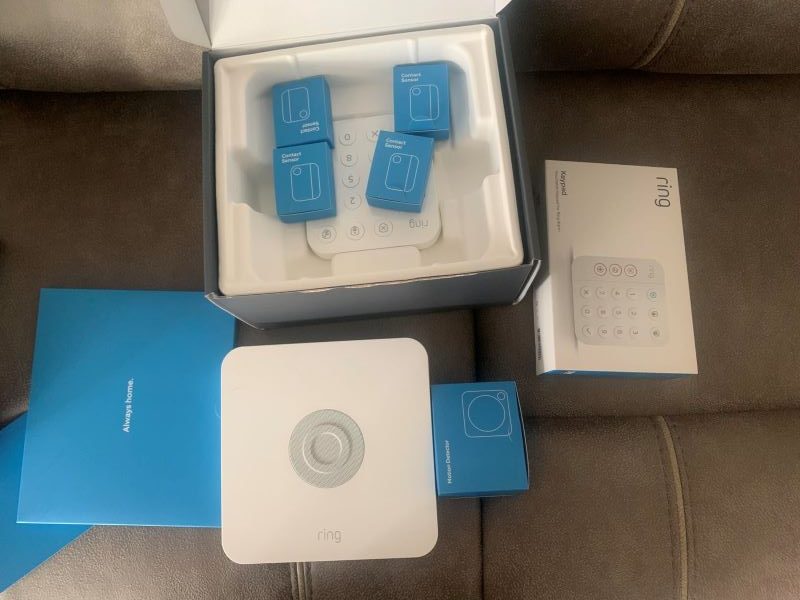
If your insurance provider does accept Ring, you may need to provide documentation as proof. This could include:
- Receipts or invoices showing the purchase of your Ring devices.
- A confirmation email from Ring if you’ve subscribed to professional monitoring through the Ring Protect Plus plan.
- Photos of the installed devices or a security system certificate if required by the insurer.
Keeping this documentation ready will make the process of securing a discount much smoother.
5. Verify Local Security System Regulations
In some regions, insurers may require security systems to be approved by bodies like NSI or SSAIB (UK). Since Ring is a DIY system, it may not meet those standards. Be sure to check if your insurer has specific certification or approval requirements.
6. Explore the Ring Monitoring Options
Many insurers prefer systems with 24/7 professional monitoring. Ring offers this through the Ring Protect Plus plan, which may meet some insurers’ requirements. If your provider needs professional monitoring for discounts, you can add this service with Ring, but be sure to confirm it qualifies.
7. Get a Written Confirmation
After confirming that Ring is accepted by your insurer, request written confirmation. This could be an updated policy, an email, or a letter from your provider. Having it in writing helps avoid any confusion later if a discount is questioned.
8. Revisit Annually
Insurance providers may change their policies or requirements over time. Make it a habit to check back with your insurer during policy renewal to ensure that Ring remains an eligible security system for discounts.
Ring’s Insurance: Secure Your Home and Cut Costs
Now you know that your Ring devices can potentially get you a discount on home insurance. But it’s still a good idea to confirm with your insurer that your system meets their criteria.
Check out some more guides to use Ring devices to their best:
- Find out what feature you get if you want to use Ring without subscription.
- If you have a Ring Video Doorbell Pro 2 or Doorbell 4, you can claim a free Ring faceplate.
- Learn about Ring Doorbell power consumption before you get one to have adequate supply.
Frequently Asked Questions
Is Ring Doorbell considered a security system?
Is Ring Doorbell a security system eligible for insurance?
Does having a Ring Doorbell lower insurance?
Is Ring Alarm NSI or SSAIB approved?
Is Ring Alarm insurance approved UK?
Do insurance companies require professional installation for Ring devices to qualify for discounts?
Can homeowners install multiple Ring devices to maximize insurance benefits?
Does Ring Protect qualify for an insurance discount?
Is Ring a monitored security system?


Hashir
Hi, I’m Hashir, a tech enthusiast with a deep love for smart home innovations. My interest in technology has always been driven by the idea of making everyday life more streamlined and efficient. After years of experimenting with smart devices in my own home, I’ve made it my mission to share what I’ve learned with others. I focus on practical, easy-to-understand solutions that anyone can implement to enhance their home. Writing for JustSmarter allows me to connect with fellow tech lovers and help them take their first steps—or next steps—into the exciting world of smart homes.