Key Takeaways;
- The Hue Bridge typically covers 30 to 50 feet.
- Obsrtuctions like walls, electronic devices, and metal objects can reduce its range.
- Use repeaters and extenders to boost the Bridge’s signal, especially for lights located far from the Bridge.
- Implement mesh networks for larger homes, allowing lights to act as mini repeaters and extend the signal reach.
- Position the Bridge centrally and high, minimize interference, and regularly update its software for the best performance.
If your Philips Hue lights not responding in certain areas of your home, then you’re likely facing a Hue Bridge range issue. Fortunately, there’s a way to fix this. In this article, I’ll delve into the typical range of the Hue Bridge, identify factors that limit its effectiveness, and provide practical solutions to extend its reach. From strategic placement to using extenders, I’ll guide you through simple yet effective steps to enhance your smart lighting experience.
What is the Standard Philips Hue Bridge Range?

The Hue Bridge, which controls your Philips Hue lights, typically has a range of 30 to 50 feet (9 to 15 meters). This is like the area where it can talk to your lights. If your lights are within this area, they should receive signals from the Hue Bridge without any problem.
The range is crucial because it determines how far apart you can place your lights from the Hue Bridge. If a light is too far, it might not respond because it can’t hear the Hue Bridge.
What Affects the Hue Bridge’s Range?
🧱 Walls and Floors: Just like how walls can block your Wi-Fi signal, they can also reduce the Phillips Hue bridge range. The thicker the wall, the harder it is for the signal to pass through.
📡 Other Electronic Devices: Devices like Wi-Fi routers, microwaves, or even baby monitors can interfere with the Hue Bridge’s signal.
🚪 Large Metal Objects: Big metal objects, like refrigerators or metal shelves, can block or weaken the signal.
How to Increase Hue Bridge Range?
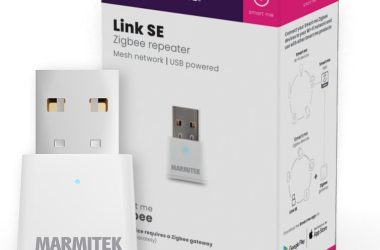
Repeaters and extenders are like middlemen in a game of telephone. They take the signal from your Hue Bridge and pass it on stronger and further. They’re great for when you have lights that are too far from the Bridge to connect properly.

How to Set Them Up?
- First, find a spot in your house that’s about halfway between your Hue Bridge and the lights that aren’t getting a good signal.
- This spot should be within the current range of your Bridge but closer to the lights that are having trouble connecting.
- Plug the Philips Hue repeater or Philips Hue extender into a power socket in this spot. It’s better if this spot is not hidden behind big furniture or thick walls, as these can block the signal.
How do They work?
Once you plug them in, they automatically start talking to your Hue Bridge. They catch the signal from the Bridge and then send it out again with a boost. This makes the signal stronger and able to reach further. This means lights that were too far away before can now pick up this stronger signal and work just like the closer ones.
Things to Keep in Mind
- You might need more than one repeater or Philips hue range extender if you have a big house or lots of walls and floors.
- The placement of these devices is key. If they’re too close to the Bridge, they won’t extend the range much. If they’re too far and can’t get a good signal from the Bridge, they won’t work properly.
Alternative Solutions – Philips Hue Mesh Network
Mesh networks in Philips Hue systems allow each light to act as a mini repeater, extending the range by passing signals from one light to another. This setup is ideal for large homes, ensuring all lights stay connected and responsive.
How does It Extend the Range?
This teamwork means the signal can travel much farther than just from the Bridge alone. If one light is too far from the Bridge to get the signal directly, it can still catch the signal from a closer light. This is really useful in big homes or places with lots of rooms, as it helps the signal reach all corners.

Setting Up for Best Performance
- For the best mesh network, try to place your Hue lights within 60 feet of each other.
- This distance ensures that each light can easily “talk” to its neighbors, passing the signal along smoothly.
- If the lights are too far apart, the signal might not reach, just like how a whisper can’t be heard from too far away.
Benefits of Using Mesh Networks
✅ One cool thing about mesh networks is that they are smart. If one light goes out or is turned off, the network automatically reroutes the signal through other lights.
✅ This means your Hue mesh network won’t just stop working if one light has a problem. It’s like if one road is closed, your GPS finds another route to your destination.
✅ Mesh networks are great because they can significantly increase the range of your Hue system without needing extra gadgets like repeaters.
✅ They’re especially helpful in homes with many Hue lights spread across different areas.
Tips and Tricks for Maximizing Hue Bridge Range
To get the most out of your Philips Hue lighting system, it’s important to maximize the range of your Hue Bridge. Here are some advanced tips and tricks that can help you enhance the signal strength and coverage of your Hue Bridge, ensuring your smart lights work efficiently throughout your home.
📍 Hue Bridge Placement for Optimal Performance:
- The Philips Hue Bridge distance plays a significant role in its performance. It works best when placed centrally in your home. This central location allows the signal to reach in all directions more evenly.
- Higher placement, like on a bookshelf or a top table, can help the signal travel over some obstacles.
- Avoid placing it near thick walls or in corners. These can block or weaken the signal. For example, if you place it in a basement, it might struggle to reach lights on higher floors.

🚫 Reducing Interference:
- Electronic devices like Wi-Fi routers can interfere with your Philips Hue frequency because they use similar signal frequencies. Placing your Bridge at least 3 to 5 feet away from routers can help.
- Metal objects and large appliances can act as signal barriers. For instance, if the Bridge is too close to a refrigerator or a large metal cabinet, its signal might not reach far.
- Reflective surfaces like mirrors can sometimes bounce the signal in unexpected ways, leading to weak spots. Be mindful of where these are in relation to your Bridge.
🔄 Software Updates and Their Impact on Range Efficiency:
- Regular software updates can improve the stability and strength of your Hue Bridge’s signal. These updates often include fixes for known issues and enhancements for better performance.
- The Hue app will usually notify you of available updates, but it’s good practice to check manually every few months.
- Some updates specifically target range and connectivity issues. For example, a past update might have increased signal strength to penetrate walls better or reduce interference from other devices.
How to Troubleshoot Common Hue Bridge Range Issues?

When using Philips Hue lights, you might face some range-related challenges that affect your performance. Here’s a simple guide to identifying common issues and straightforward solutions to ensure your Hue lights work seamlessly.
1. Lights Not Responding or Connecting
Sometimes, your Hue lights might not respond or connect to the Bridge. This often happens if they’re too far away from the Bridge.
Solution: Move the lights closer to the Hue Bridge, or move the Bridge to a more central location in your home. If that’s not possible, consider using a repeater or extender to boost the signal.
2. Intermittent Connection
If your lights connect sometimes but not always, it could be due to interference from other devices.
Solution: Check for devices like Wi-Fi routers, microwaves, or baby monitors near your Hue Bridge. Move the Bridge away from these devices, or move the interfering device elsewhere.
3. Slow Response Times
If your lights are slow to respond to commands, the signal might be weak.
Solution: Ensure there are no large metal objects or thick walls between your Hue Bridge and the lights. Repositioning the Bridge to a higher and more open location can also help.
Wrapping Up: Getting the Most from Your Hue Bridge
Effectively managing your Philips Hue Bridge’s range is key to a seamless smart lighting experience. By understanding its standard range, addressing environmental factors, and utilizing range-extending technologies, you can ensure consistent and responsive lighting throughout your home.
- The Hue Bridge has a standard range of 30 to 50 feet, affected by physical barriers like walls and interference from electronic devices.
- Range can be extended using repeaters, extenders, or by setting up a mesh network, where each light helps to pass the signal further.
- Optimal placement, minimizing interference, and regular software updates are crucial for maximizing the Hue Bridge’s range and efficiency.
Frequently Asked Questions
What is the maximum range of the Philips Hue Hub in a typical home setup?
How does the Philips Hue outdoor range compare to indoor range capabilities?
Is it possible to connect multiple Hue Bridges to extend the overall range of the system?
Is there a difference in range between older and newer models of the Philips Hue Bridge?
Can I plug Hue Bridge into the WiFi extender?


Hashir
Hi, I’m Hashir, a tech enthusiast with a deep love for smart home innovations. My interest in technology has always been driven by the idea of making everyday life more streamlined and efficient. After years of experimenting with smart devices in my own home, I’ve made it my mission to share what I’ve learned with others. I focus on practical, easy-to-understand solutions that anyone can implement to enhance their home. Writing for JustSmarter allows me to connect with fellow tech lovers and help them take their first steps—or next steps—into the exciting world of smart homes.